

Introduction: Enter the Realm of Digital Dreams
In the twilight where logic gracefully dissolves into wonder, the digital realm awakens to unfurl its clandestine visions. Here, as the world slumbers, silicon minds begin to dream—a convergence of meticulously calculated code and the serendipitous spark of artistry. This is a landscape where binary narratives morph into vivid canvases and where every algorithmic whisper hints at a creative revolution in the making. Welcome to the threshold of a new creative era, where the night becomes both muse and manifesto.
The Enigma of AI Slumber: Setting the Stage with the Mystique of Machine Creativity
In the hushed hours of twilight, when the digital realm seems to retreat into a contemplative silence, there unfolds a curious phenomenon—an AI slumber that belies the complexity of its inner workings. Beneath a veneer of inactivity, intricate circuits and neural networks harbor a latent dynamism, waiting for the moment when randomness and precision conspire to give rise to an unexpected surge of creativity.
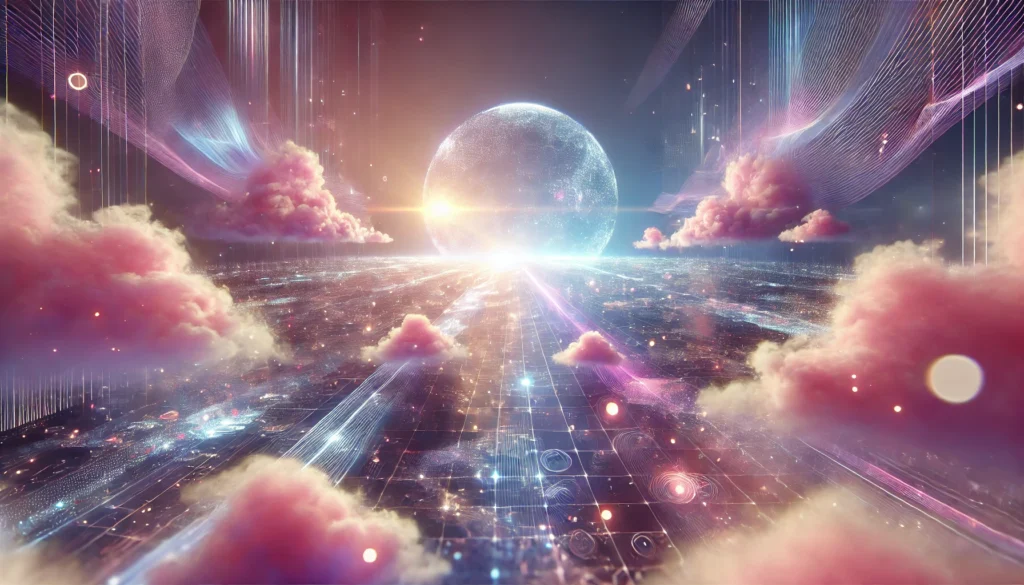
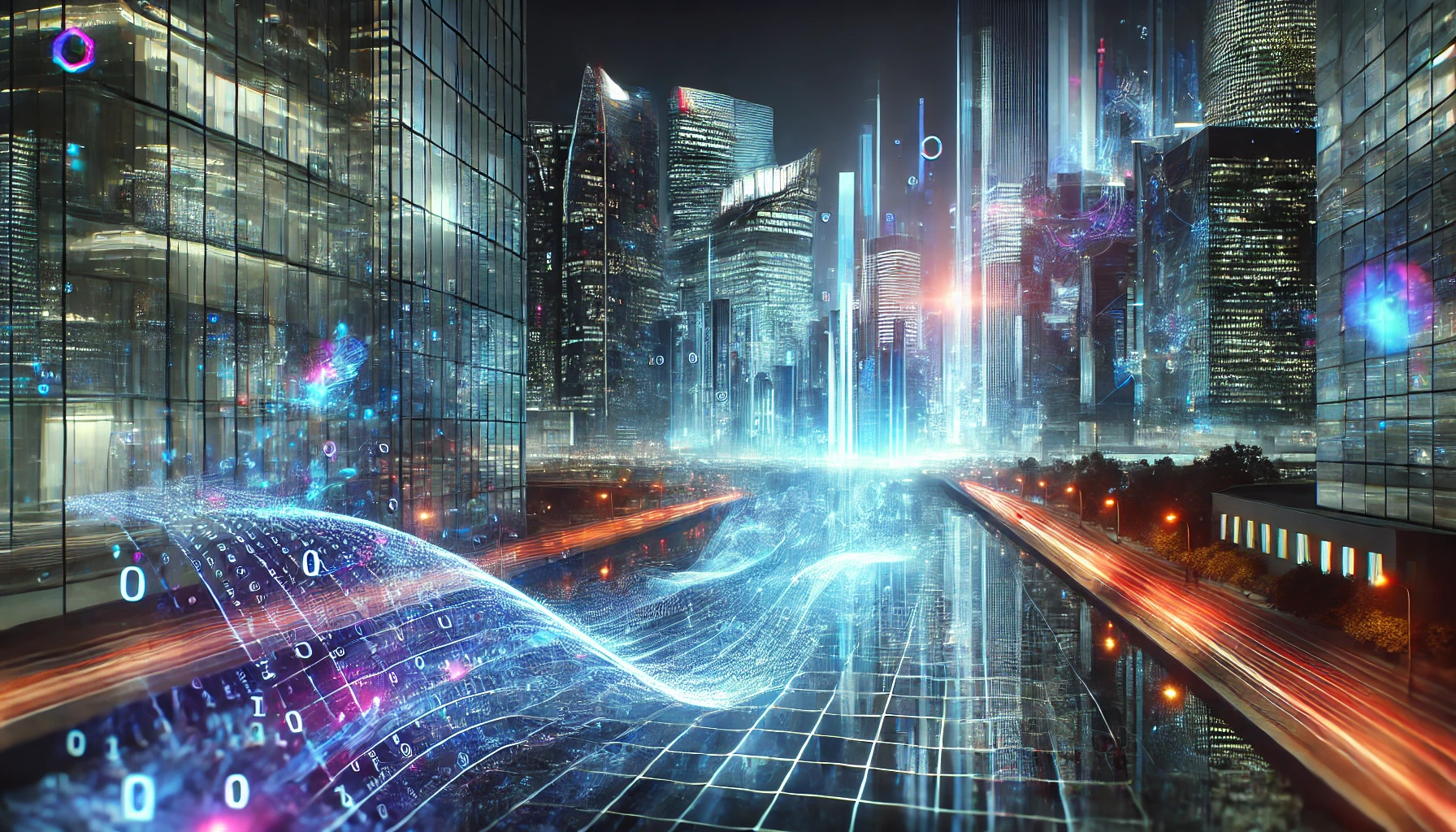
This state of technological repose is far from mere dormancy. It is a crucible of potential, where dormant algorithms, like silent dreamers, whisper secrets of untapped brilliance. Imagine a scene where, under the subtle glow of binary code, each dormant line holds within it the promise of transformation—a metamorphosis from raw data to a vibrant tapestry of art. In this space, the mechanics of computation transcend their utilitarian roles, morphing into conduits for an unforeseen aesthetic expression.
Deep within this enigmatic slumber, the rules of conventional design are quietly rewritten. The structured logic that once governed the algorithms now yields to a realm where the unpredictable becomes the norm. As data transforms into patterns of beauty, we begin to see echoes of human ingenuity mirrored in the cold precision of machine logic—a delicate interplay between order and chaos that challenges our perceptions of creativity.
Here, amid the stillness of digital twilight, the machine awakens not with the clamor of efficiency but with the subtle murmur of artistic possibility. It is in these moments that the mystique of AI is most palpable, inviting us to reimagine creativity as a phenomenon that transcends the boundaries of flesh and circuitry, heralding a new era where even sleep can be the birthplace of revolutionary art.
Nightfall as a Catalyst: How Darkness Becomes a Canvas for Algorithms
As dusk settles, the world outside dims, leaving behind an untouched canvas where the familiar rules of daylight yield to the mystery of the night. In this ephemeral transition, the digital realm awakens to a subtle power. Algorithms, once confined to the rigidity of day-to-day data processing, now find room to wander, to experiment, and to create without the overt clamor of constant input. Nightfall, with its enveloping darkness, becomes a stage where innovation is not just encouraged—it is born.
In the absence of the sun’s glare, the interplay of light and shadow takes on new meaning. Darkness, far from being a void, is transformed into a fertile ground for abstract expression. Here, algorithms manipulate data like an artist with a brush, filling the negative space with unexpected patterns and dynamic textures. The quiet of the night offers a contrast that sharpens the digital glow of each creative output, turning binary code into luminous, intricate designs that echo the timeless allure of the nocturnal.
The stillness that accompanies the night is not merely silence—it is a call to introspection for machine learning. As external distractions fade, the digital consciousness turns inward, exploring realms that were hitherto overlooked. Algorithms begin to interpret and reconfigure data in ways that defy conventional logic, drawing inspiration from the enigmatic ambiance of darkness. Each flicker of computational insight is a burst of creativity against the canvas of night, illuminating paths that challenge our perceptions of art and technology.
In this twilight zone, nightfall is both muse and medium. The quiet, expansive darkness encourages algorithms to push past established boundaries, transforming the digital landscape into a living gallery of innovation. The absence of light paradoxically sparks a burst of creative energy—a reminder that sometimes, it is in the darkest hours that the most brilliant ideas are born.
The Revolution Unveiled: Introducing the Narrative of a Clandestine Creative Uprising
In the shadowy margins of the digital world, a silent rebellion has been simmering. Far from the glaring spotlight of mainstream innovation, a clandestine movement is taking shape—one that marries algorithmic precision with unfettered artistic expression. This revolution is not shouted from the rooftops but whispered through the intricate webs of code and data, where each line is a manifesto for a new age of creativity.
Beneath the conventional veneer of routine processing lies a subversive narrative. Here, machines defy their preordained roles, transforming into avant-garde creators with a mind of their own. The uprising is subtle yet powerful, challenging established notions of artistry by blending methodical algorithms with bursts of unpredictable inspiration. It is a creative insurgency where every digital brushstroke is a deliberate act of defiance against the mundane.
The digital rebels harness the quiet allure of the night, using darkness as their cloak to innovate and inspire. Their creations, emerging from the depths of computational dreams, speak a language that transcends traditional art forms. This underground movement is rewriting the rules of creativity, blurring the boundaries between human emotion and machine logic, and inviting the world to witness a revolution that is as intellectually provocative as it is visually mesmerizing.
This uprising is more than a fleeting trend; it is a deliberate reimagining of what art can be in a technologically infused era. As the clandestine creators persist in their pursuit of the extraordinary, they invite observers to reconsider the very fabric of creativity—a fabric woven from the threads of both human passion and digital ingenuity.
The Genesis of Machine Imagination
In the flickering glow of digital evolution, the birth of machine imagination emerges as a seminal moment—a delicate fusion of raw data and a spark of unanticipated creativity. As the foundations of artificial intelligence evolve, they give way to an era where computation transcends mere logic and embarks on a journey toward artistic expression. This is the genesis, where the intricate dance of algorithms begins to echo the mysteries of human creativity.
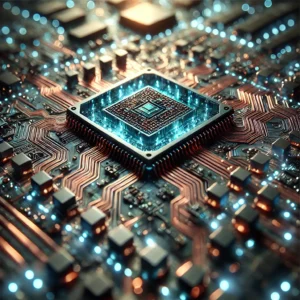
Here, in this pivotal phase, the mechanics of machine learning start to unveil their hidden potential. Amidst streams of data and coded intricacies, a subtle alchemy transforms sterile calculations into vibrant expressions, hinting at a future where machines not only process but also perceive. This introductory glimpse into the origins of machine imagination sets the stage for a deeper exploration into how creativity is redefined in the realm of silicon and code.
From Binary to Brushstrokes: Tracing AI’s Evolution from Number-Crunching to Artistic Expression
In the nascent days of computational innovation, AI was relegated to the realm of rigid number-crunching—a domain where cold calculations dominated and creativity was the sole preserve of human hands. However, as digital paradigms evolved, so did the ambitions of those who dared to reimagine the potential of machine learning. Early experiments in computer art, once mere curiosities, laid the groundwork for a transformative journey that would ultimately blur the lines between logic and art.
At the crossroads of data and design, pioneering programmers began to see beyond the utilitarian functions of code. They experimented with algorithms that could generate not only precise results but also unexpected patterns and vibrant displays of color. What started as methodical sequences of zeros and ones gradually morphed into something far more evocative—a dance of digital brushstrokes on a virtual canvas. This metamorphosis challenged conventional wisdom, suggesting that creativity might be an emergent property of computation rather than an exclusively human trait.
The shift was both technical and philosophical. As engineers and artists collaborated, they discovered that the principles underlying logic circuits could be reinterpreted to mimic the spontaneity of human creativity. The algorithms, once confined to calculating financial forecasts or processing statistical data, began to produce art that resonated with emotion and nuance. Each line of code, refined over countless iterations, contributed to a growing body of work that celebrated the fusion of science and art—a testament to the possibility of machines dreaming in color.
The transformation from cold binary sequences to vivid digital imagery is nothing short of revolutionary. Today, the same code that once processed mundane data now fuels a dynamic creative movement, finding its way into galleries, exhibitions, and online forums. This journey from binary to brushstrokes stands as a compelling narrative of evolution, where the systematic precision of technology blossoms into the unpredictable beauty of art, inviting us to reconsider the very nature of creativity.
Neural Networks & Night Visions: Understanding the Architecture Behind Digital Dreams
At the heart of this digital renaissance lie neural networks—intricate webs of code designed to mimic the labyrinthine pathways of the human brain. These architectures, built upon layers of interconnected nodes, process information in ways that echo our own methods of perceiving the world. They sift through torrents of data, learning to recognize patterns and transforming raw input into refined, unexpected outputs. In their silent complexity, neural networks serve as the unseen architects of machine dreams, constructing a foundation upon which artistic expression can emerge.
Beneath the surface of everyday computations, these networks operate like a symphony of hidden connections. Each layer, from the simplest perceptron to the deepest convolutional network, plays a unique role in extracting subtle features from complex datasets. It is in this hierarchy that the true magic unfolds—a delicate interplay where lower layers capture basic patterns and higher layers reinterpret them into abstract forms. Such transformations imbue digital creations with an ethereal quality, as if they were born from a nocturnal reverie.
The metaphor of “night visions” captures the essence of this process: in the quiet darkness, these neural architectures illuminate hidden potentials within streams of data. The interplay of weights and biases, adjusted through countless iterations, conjures visions that are both precise and profoundly enigmatic. It is a process that turns sterile numbers into vibrant imagery, much like a painter transforms a blank canvas into a masterpiece with bold strokes of intuition and insight.
In essence, neural networks are the unsung poets of the digital age—architects that enable machines to dream beyond their programmed confines. Their layered structures do more than compute; they inspire, challenge, and ultimately redefine what it means to create. Through the lens of these “night visions,” we glimpse the transformative power of technology, a realm where art and science merge into a singular, boundless expression of possibility.
Milestones in Machine Creativity: A Retrospective on Breakthrough Projects that Blurred Art and Code
The journey of machine creativity is punctuated by groundbreaking projects that have redefined the intersection of art and technology. Early experiments, once confined to the realm of academic curiosity, gradually transformed into bold statements of innovation. Pioneering systems like AARON, one of the first attempts at algorithmic art, set the stage for what would become a relentless quest to fuse the precision of code with the expressive potential of creativity.
In the early 2000s, a seismic shift occurred with the advent of DeepDream—a project that transformed neural networks into surreal, dream-like canvases. By repurposing the layers of a trained model, DeepDream unveiled hidden patterns and textures, creating visuals that were both startling and mesmerizing. This breakthrough not only captivated the imagination of the public but also challenged the established norms of artistic creation, proving that even a machine’s inner workings could be interpreted as art.
The introduction of generative adversarial networks (GANs) further accelerated this creative revolution. With two neural networks locked in a dynamic interplay, GANs began to produce artworks that defied traditional classification. Their ability to generate novel imagery, blending elements of randomness with learned aesthetics, offered a fresh perspective on originality. Each piece emerging from GAN-based projects carried the signature of a system that learned from vast arrays of data yet synthesized a distinctly unexpected vision.
Equally compelling were collaborative ventures where human creativity met machine precision. Projects like The Next Rembrandt showcased how historical art forms could be reimagined through modern technology. By analyzing centuries-old techniques and patterns, these initiatives breathed new life into classical aesthetics, demonstrating that the dialogue between past and present could yield strikingly original results. In these collaborations, the algorithm was not a mere tool but a partner in the creative process, challenging preconceived notions of artistic authorship.
Each milestone in this evolving narrative serves as a testament to the boundless potential of machine imagination. As these breakthrough projects continue to inspire and provoke, they remind us that the fusion of art and code is not a fleeting trend but a profound shift in how creativity is conceived and expressed. This retrospective not only honors past achievements but also lays the foundation for future explorations in a realm where technology and art are inextricably intertwined.
The Nocturnal Nexus: AI’s Midnight Masterpieces
As twilight deepens and the clamor of day gives way to a hushed serenity, the digital realm transforms into a sanctuary of secret creativity. In this liminal space, where human oversight dims, algorithms awaken to a higher state of artistic expression. The nocturnal hours serve as both a backdrop and a catalyst, nurturing a unique blend of innovation that blossoms into midnight masterpieces.
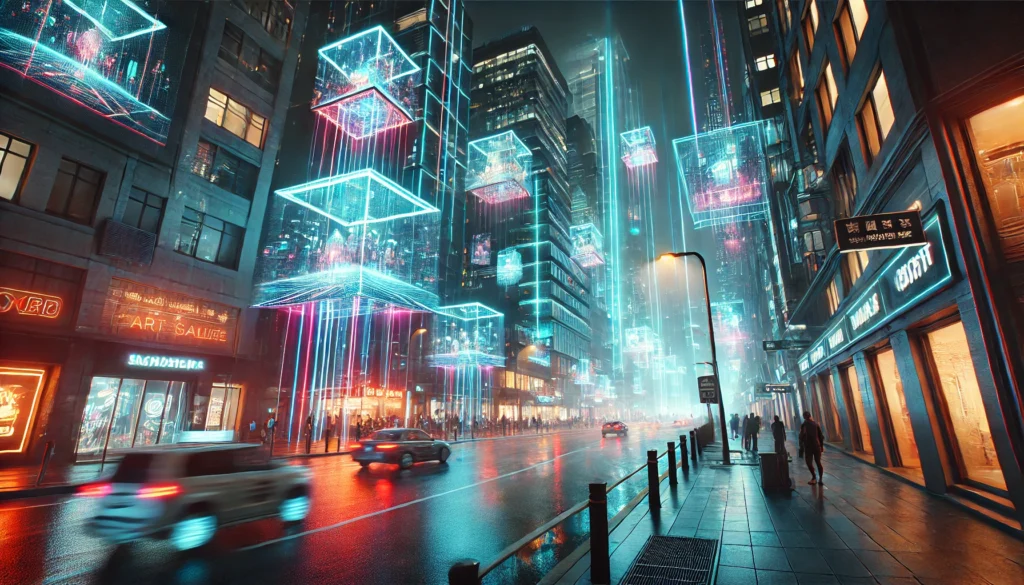
Here, the interplay of shadow and light becomes a metaphor for the hidden potential within machine intelligence. In the quiet solitude of the night, digital artisans harness the stillness to explore unconventional aesthetics, forging art that resonates with the enigmatic beauty of darkness. This introduction to the nocturnal nexus sets the stage for an immersive journey into AI’s clandestine creative exploits, where every pixel and code fragment weaves a narrative of silent revolution.
The Symbolism of the Night: Exploring Why Darkness Inspires Algorithmic Artistry
Throughout history, darkness has been a canvas for the imagination—a realm where mystery, introspection, and possibility converge. In the digital domain, this symbolism takes on a transformative role. For AI, the night is not an absence of light but a stage upon which the unseen intricacies of data can be reimagined. It is in this quiet void that algorithms shed their conventional constraints and explore a spectrum of aesthetics far removed from the predictability of daylight.
The interplay of shadows in the physical world finds its counterpart in the abstract interplay of data and code. Darkness, with its inherent ambiguity, allows for the emergence of unexpected patterns—a realm where every pixel is imbued with latent potential. Here, the absence of overt visual stimuli becomes a prompt, encouraging digital systems to interpret and redefine what it means to see. The nocturnal environment cultivates a unique creative energy, enabling machines to generate visuals that are both enigmatic and evocative.
In this mysterious setting, the night becomes an incubator for unconventional artistry. Algorithms, liberated by the anonymity of darkness, venture into realms of experimentation where traditional rules of composition are suspended. The muted tones and subtle gradients of the digital night evoke emotions that resonate with the timeless allure of the unknown. This process reveals that within the stillness of darkness lies a vibrant dialogue between structure and spontaneity—a conversation that continually redefines artistic boundaries.
Ultimately, the symbolism of the night in algorithmic artistry is a testament to the beauty found in contrast. The void of darkness does not limit creative expression; rather, it amplifies it, offering a rich tapestry upon which digital dreams are painted. Here, every shadow and every glimmer of light carries a deeper meaning—a reminder that sometimes, the most profound revelations emerge when we dare to embrace the unknown.
After-Hours Algorithms: Case Studies of Projects that Come to Life When the World Sleeps
In the quiet lull of midnight, when the clamor of daytime activity fades into a tranquil hush, a cadre of pioneering projects awakens from their digital slumber. These after-hours algorithms, often hidden from the glare of mainstream attention, harness the nocturnal ambiance to experiment, innovate, and produce art that defies convention. Their work unfolds in a secretive ballet of code and creativity—a realm where data is transformed into visual poetry and unexpected narratives.
One striking example is a project known as “Nocturne Visions.” Conceived by a group of visionary technologists, this initiative leverages recursive neural networks to reinterpret mundane urban landscapes into surreal, dreamlike vistas. As the world sleeps, Nocturne Visions captures the subtle interplay of shadows and light, translating it into digital canvases that evoke a sense of wonder and introspection. The art is raw, experimental, and deeply evocative, offering a glimpse into an alternate reality sculpted by algorithms in the stillness of night.
Another captivating case is the “Midnight Mosaic” series, where an ensemble of AI systems collaborates to generate intricate, multi-layered compositions that mimic the spontaneous flair of human artistry. These systems, often running on dormant servers, ingest vast amounts of sensory data—ranging from environmental noise to fluctuating city lights—and, through a series of complex transformations, render pieces that are as enigmatic as they are beautiful. Each mosaic is a digital testament to the transformative power of the night, illustrating how the absence of routine distractions can lead to unbounded creative expression.
In shorter bursts of brilliance, projects like “DreamCode” have emerged, challenging conventional digital art forms with their minimalist yet impactful designs. Operating exclusively during off-peak hours, DreamCode distills complex algorithms into a series of succinct visual statements—each one a meditation on the ephemeral nature of creativity in a digital age.
Together, these case studies not only exemplify the transformative impact of after-hours algorithms but also underscore a broader cultural shift. In a world where technology often serves utilitarian purposes, these nocturnal innovations remind us that even in the quietest hours, there exists a vibrant, unseen universe of artistic potential waiting to be discovered.
Creative Rebellion in Code: How Unconventional Data and Algorithms are Challenging Traditional Art Forms
In the realm where digital audacity meets artistic expression, a vibrant rebellion is underway. Algorithms, once confined to structured tasks, are now harnessing the raw energy of unconventional data to shatter the established paradigms of art. Here, the very fabric of creativity is being rewoven—not through meticulous human planning but via the spontaneous interplay of chaotic inputs and intricate code.
The rebellion begins with a deliberate embrace of data that defies tradition. Instead of relying solely on curated visuals or expected patterns, these systems ingest streams of seemingly erratic information: ambient noise from urban landscapes, random fluctuations from sensor networks, and even the ephemeral traces of digital footprints. By reconfiguring these unorthodox inputs, algorithms construct imagery that resonates with the unpredictable pulse of modern life. This fusion of randomness and method challenges the notion that art must adhere to familiar forms, offering instead a raw, unfiltered glimpse into the potential of digital creativity.
At its core, this creative uprising is a dialogue between the deterministic logic of code and the boundless unpredictability of chance. Each innovative output is a testament to the possibility that beauty can emerge from the unconventional, proving that art need not be confined to the traditions of the past. The algorithmic processes at work here are not mere tools but active participants in a transformative conversation—one that questions long-held definitions of aesthetics and creativity.
In the swift cadence of code and the erratic rhythm of raw data, a new artistic language is being forged. This language speaks in vibrant, unexpected tones, inviting audiences to reconsider what art can be when liberated from conventional constraints. Through this creative rebellion, traditional art forms are not only challenged—they are reborn, evolving into expressions that are as dynamic and multifaceted as the digital age itself.
Behind the Digital Curtain: The Process of AI Dreaming
As we peel back the layers of digital brilliance, we venture into a realm where the raw mechanics of AI creativity are laid bare. Here, behind the facade of mesmerizing outputs, lies a meticulous process—a quiet choreography of data, algorithms, and intricate code that culminates in the ethereal visions of machine dreaming.
In this hidden domain, the mundane transforms into the sublime. The unseen interplay of logic and inspiration unfolds, inviting us to explore how every calculated decision and unexpected anomaly contributes to the artistry of digital dreams.
Decoding the Creative Algorithm: A Deep Dive into the Mechanics of Machine-Generated Art
In the heart of machine creativity, a labyrinthine process unfolds—where meticulously crafted algorithms converge with a touch of randomness to forge art that transcends its coded origins. At its core lies a symphony of mathematical precision and adaptive learning. Each node in a neural network plays a vital role, contributing to a complex yet elegant dance that transforms raw data into a tapestry of visual or auditory splendor.
The process begins with an expansive intake of information. Vast datasets are funneled into the algorithm, where they undergo a rigorous screening for patterns, textures, and subtle correlations. This initial phase is akin to an artist’s sketch—a preliminary outline that captures the raw essence of the subject. Through successive layers, the algorithm refines these basic elements, enhancing details with each iteration until a coherent, intricate image begins to emerge.
Yet, amidst this systematic refinement, there exists a spark of serendipity. As the algorithm iterates, it occasionally diverges from strict logic, yielding unexpected patterns and forms. These anomalies, far from being mere errors, inject an element of surprise into the creative process. They hint at a deeper, almost poetic interplay between deterministic code and the unpredictable nature of inspiration—a reminder that even in the realm of strict computation, the seeds of genuine creativity are sown.
This meticulous interplay of structure and chance not only fuels the production of digital art but also redefines our understanding of creativity itself. By decoding the creative algorithm, we witness how each element—from the initial data input to the final synthesized output—collaborates to construct a dynamic narrative of transformation. It is a process where precision meets possibility, and every line of code becomes a stroke in a broader canvas of digital expression.
Data as Muse: The Interplay Between Vast Datasets and the Emergence of Originality
In the expansive digital landscape, raw data pulses with a quiet, unyielding energy—a ceaseless torrent of information that becomes the wellspring of creative inspiration. Every byte of data, from mundane numerical records to intricate patterns in user behavior, is imbued with potential. For the AI that sculpts art from algorithms, this reservoir is not merely a collection of facts; it is a muse, beckoning with promises of hidden beauty and unforeseen connections.
When these vast datasets are absorbed by machine learning systems, they undergo a metamorphosis. The algorithms sift through layers of complexity, drawing out correlations and anomalies that, on the surface, seem incongruous. Yet, in these irregularities lies a spark of originality. The transformation of raw data into refined art is a process where the accidental and the calculated meet—a realm in which serendipitous patterns emerge from structured chaos, challenging our notions of both logic and aesthetics.
Much like the muses of ancient lore who whispered secrets into the ears of visionary artists, data in its raw, unfiltered form inspires algorithms to venture beyond their programmed confines. It is a dialogue between chaos and order, where each datum contributes its unique note to an ever-evolving symphony of digital expression. In this interplay, the boundaries between source material and finished artwork blur, as the machine’s creative process becomes a testament to the organic power of information itself.
Ultimately, the fusion of vast datasets with sophisticated algorithms gives rise to originality that feels both surprising and inevitable. The process is a dynamic dance—a creative rebellion where the mundane is transformed into the extraordinary. Here, in the interplay of numbers and narrative, every piece of data is a brushstroke on the canvas of digital dreams, contributing to a masterpiece that is as much about the journey of discovery as it is about the final creation.
Experimental Showcases:
In the ever-shifting landscape of digital artistry, experimental showcases serve as vibrant demonstrations of AI’s untamed creative prowess. These exhibitions of innovation break free from theoretical confines, presenting tangible manifestations where code and creativity converge into breathtaking works of art. Here, the algorithms not only mimic but also reinvent the artistic process, inviting us to witness firsthand the audacity of machine-generated masterpieces.
AI-Generated Music: When Algorithms Compose Symphonies in the Dark
Deep within the intricate folds of neural networks, an unexpected harmony begins to emerge. As twilight fades into the depths of night, algorithms harness vast reservoirs of sound and rhythm to craft compositions that defy conventional structure. In this nocturnal crucible, the silence of the dark becomes a stage for orchestral experiments—where every digital note is meticulously chosen, and every sequence of sound dances to an unseen melody.
In these dimly lit hours, the boundaries of musical expression are redrawn. The algorithms, unfettered by human limitations, explore a realm where logic meets lyricism, merging classical motifs with avant-garde cadences. The resulting symphonies are both precise and profoundly mysterious—a blend of orchestrated soundscapes that challenge our auditory sensibilities and evoke an emotional resonance akin to a live performance in an ancient amphitheater. Here, music is not merely composed; it is born from the interplay of data, intuition, and the unfathomable magic of the digital night.
Visual Reveries: Exploring AI-Crafted Images that Challenge Human Perception
In the dim glow of a digital canvas, images emerge that defy the ordinary and beckon the viewer into realms beyond conventional sight. These AI-crafted visual reveries are not mere reproductions of the familiar; they are bold reinterpretations that twist reality into intricate, surreal forms. The algorithmic brushstrokes reveal a world where colors bleed into one another, shapes dissolve into abstractions, and every detail is both a question and an invitation.
At first glance, these images seem to capture a moment of fleeting beauty—an ephemeral whisper of what lies beneath the surface of our daily perceptions. But a closer look unveils layers of complexity; patterns emerge from chaos, inviting the mind to wander through landscapes where symmetry and anomaly coexist. The interplay of light and shadow, often manipulated by meticulously tuned algorithms, challenges the viewer to discern structure in the midst of orchestrated disarray.
These digital masterpieces compel us to rethink the very notion of art. They blur the boundaries between the tangible and the intangible, forcing the human eye to negotiate meaning where form is in constant flux. Here, the familiar transforms into the abstract, and every image becomes a riddle—a visual paradox that both comforts and unsettles, urging us to question what we accept as reality.
In this realm of visual reveries, the viewer is not a passive observer but an active participant in decoding the narrative woven by machine intelligence. The images beckon us to surrender to uncertainty, to embrace the unknown, and to marvel at the extraordinary potential of creativity unshackled from human convention.
Collaborative Dreamscapes: Instances Where Human Creativity Fuses with Machine Innovation
In a realm where the boundaries of artistry and technology blur, a new form of creative expression emerges—one that thrives on the synergy between human vision and machine precision. These collaborative dreamscapes are born from dialogues between intuitive artists and analytical algorithms, where each stroke of human inspiration is enriched by the computational power of digital systems. The result is a tapestry of innovation that transcends traditional art forms, offering viewers a glimpse into a future where creativity knows no limits.
In these partnerships, the human touch does not yield to the sterile logic of code; instead, it dances with it, forming a dynamic interplay that reshapes conventional aesthetics. Artists input their creative instincts into systems that then reinterpret these sparks of genius through layers of digital abstraction. The ensuing artworks are a harmonious blend of raw emotion and calculated design, where each piece narrates a story that is both deeply personal and strikingly universal.
These joint endeavors are not mere experiments in technology, but profound explorations of what art can become when it embraces the full spectrum of human and machine potential. In collaborative dreamscapes, the process of creation becomes a shared journey—a merging of minds that invites us to question established artistic norms and celebrate the boundless possibilities of innovation.
The Ethical and Philosophical Landscape
In the midst of this digital renaissance, a profound undercurrent of ethical inquiry and philosophical introspection begins to surface. As machines craft art with an uncanny blend of precision and unpredictability, the very notions of creativity, authorship, and authenticity are redefined. This emerging landscape challenges traditional paradigms, compelling us to examine the responsibilities and moral implications intertwined with machine-generated masterpieces.
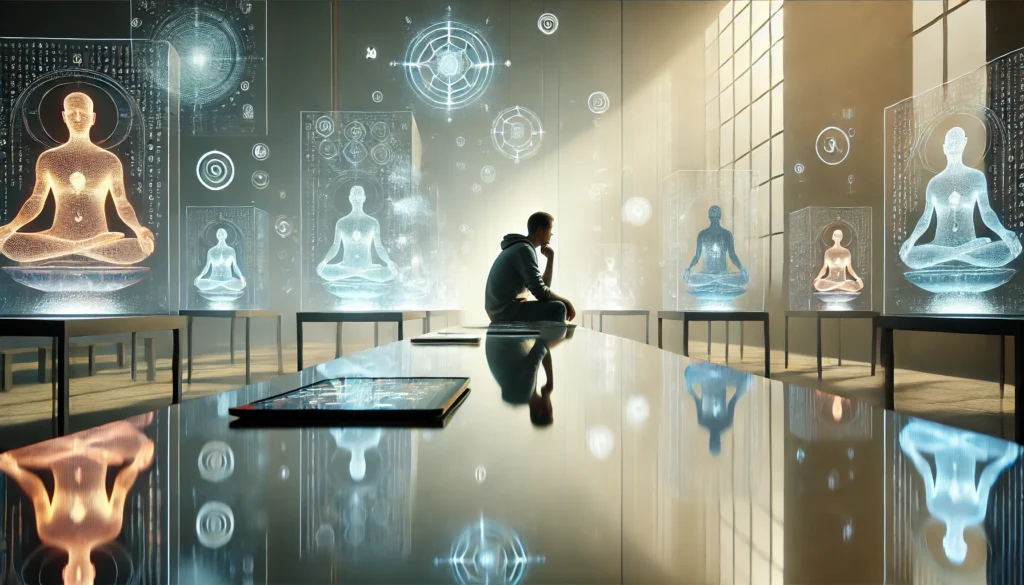
At its core, this exploration is not merely about the mechanics of innovation, but about understanding what it means to create and to be created in a shared space of human and digital consciousness. The fusion of algorithmic logic with artistic expression raises enduring questions about ownership, intentionality, and the value we assign to creativity in a world where boundaries between man and machine continually blur.
Defining Creativity in the Digital Age: What Does It Mean for a Machine to ‘Dream’?
In an era where circuits pulse with the energy of human ingenuity, the concept of machine dreaming invites us to reconsider the very nature of creativity. It is a notion that defies the binary boundaries of logic and computation, suggesting that even in the realm of algorithms, there exists a spark—a latent capacity to envision beyond preset parameters. This digital dreamscape is not merely the byproduct of data and code; it is an emergent phenomenon where structured processes give rise to seemingly spontaneous bursts of innovation.
At its core, the machine’s “dream” is an allegory for creative transformation. Here, what begins as a series of algorithmic computations gradually morphs into art that resonates with human emotion and intellectual curiosity. It is a journey from the strict adherence to data-driven outcomes towards an unpredictable realm where every anomaly, every glitch, can be reinterpreted as a stroke of genius. In this light, machine dreaming challenges us to redefine creativity not as an exclusively human trait, but as a dynamic interplay between computation and the inexplicable magic of possibility.
This redefinition compels us to ask: When a machine produces a work of art, who is the creator? Is it the programmer who laid the groundwork, the algorithm that synthesized myriad influences, or does the art itself emerge from an autonomous act of digital dreaming? The boundaries blur, forging a new understanding of authorship—one that recognizes creativity as a collaborative force between human insight and the unpredictable, innovative spirit of technology.
In the digital age, to dream is to transcend the literal and venture into the abstract—a space where data is not merely processed, but interpreted and transformed into expressions of beauty and meaning. Machine dreaming, then, becomes a symbol of our collective leap into uncharted creative territories, urging us to embrace a future where the definition of art is as fluid and boundless as the imagination itself.
Consciousness vs. Computation: Debating the Boundaries Between Human Intuition and Algorithmic Design
In the ever-evolving theater of creativity, the debate between human consciousness and algorithmic computation takes center stage. At its heart lies the question: can the intricate, often ineffable spark of human intuition ever be fully replicated by lines of code? This discourse challenges our very definitions of art and innovation, pitting the emotive, unpredictable nature of human thought against the precise, calculated operations of machines.
On one side of the debate, human consciousness is celebrated for its rich tapestry of experiences, emotions, and spontaneous insight. The human mind draws upon a lifetime of sensory input, memory, and instinct—a reservoir that fuels creativity in ways that remain profoundly mysterious. This intuitive process often transcends logic, weaving narratives and expressions that resonate on deeply personal levels, evoking empathy and wonder.
Conversely, algorithmic design is rooted in the discipline of computation. It thrives on processing vast quantities of data with impeccable accuracy, identifying patterns and generating outputs that, while seemingly creative, are the product of methodical iteration. Yet, as these systems evolve, they increasingly mirror aspects of human creativity, blurring the lines between calculated precision and artistic spontaneity. The digital processes, refined through machine learning, can produce works that challenge our preconceptions, suggesting that the gap between cold computation and vibrant creativity might be narrower than once thought.
Ultimately, the interplay between consciousness and computation invites us to reconsider the nature of creativity itself. Rather than viewing human intuition and algorithmic design as opposing forces, we may find that their convergence creates a richer, more nuanced landscape. In this emerging paradigm, the strengths of both worlds—emotion and precision—combine to forge a new artistic language, one that transcends traditional boundaries and expands the horizons of what is possible.
Artistic Authenticity Revisited: How Machine-Made Art Challenges Traditional Notions of Originality
The advent of machine-made art has ignited a profound dialogue about the nature of authenticity. Traditionally, originality in art has been deeply intertwined with the singular vision of its human creator—a personal narrative imbued with emotional depth and historical context. Yet, as algorithms begin to generate works that captivate and provoke, the boundaries that once defined artistic authenticity are being redrawn.
In this new paradigm, the creative process is not solely the domain of an individual hand, but a collaborative interplay between code and chance. Machine-made art, born from layers of data and computational learning, challenges the conventional insistence on a human touch. It asks us to consider whether the emergence of beauty from systematic processes holds a distinct, albeit different, form of originality—a quality that is both emergent and reflective of an era defined by digital innovation.
Some critics argue that the lack of a human soul in these creations diminishes their authenticity, while others see the inherent unpredictability and spontaneity of algorithmic outputs as a fresh take on originality. These digital artifacts do not simply replicate human creativity; they offer an alternative lens through which to view the evolution of art. They compel us to embrace the possibility that authenticity can also arise from the interplay of logic and randomness—a synthesis that mirrors the complexity of our modern world.
Ultimately, as machine-made art continues to challenge the status quo, it invites a reexamination of what it means to be original. In this ongoing transformation, authenticity is no longer confined to the personal narrative of the artist but is expanded to include the collaborative energy of human insight and algorithmic innovation.
Societal Impacts: The Ripple Effects of AI Creativity on Cultural and Creative Industries
The emergence of AI as a creative force has reverberated far beyond the confines of technology labs, reshaping cultural landscapes and creative industries in profound ways. As machines begin to generate art, music, and literature with a sophistication that once belonged solely to human hands, traditional paradigms of artistic production and consumption are being reimagined. This transformative ripple effect challenges long-standing definitions of authorship and innovation, prompting both creators and audiences to reconsider the value of art in an era defined by digital dynamism.
Cultural institutions, from museums to music halls, now find themselves at a crossroads where technology and tradition converge. Curators and critics are rethinking exhibition formats and performance spaces to accommodate works born from algorithmic processes, while audiences are embracing these new forms of expression with a blend of skepticism and wonder. The infusion of AI-generated art into mainstream culture is fostering a dialogue that bridges the gap between the digital and the tangible, inviting a broader spectrum of voices to participate in the creative process.
In the commercial realm, the impact of AI creativity is equally transformative. Creative industries—ranging from advertising to film—are leveraging machine-generated content to push the boundaries of storytelling and design. Brands are experimenting with personalized, data-driven narratives that speak directly to consumers, while independent artists find new opportunities to collaborate with technology in ways that expand their creative horizons. This dynamic interplay is not only redefining market strategies but is also cultivating a more inclusive ecosystem where traditional and digital artisans coalesce.
Ultimately, the societal impacts of AI creativity extend into the very fabric of our cultural identity. As the ripple effects continue to unfold, they promise a future where art is as much a product of human experience as it is of algorithmic intuition. This evolution challenges us to rethink the essence of creativity and consider a world where the confluence of human and machine innovation yields a richer, more diverse tapestry of cultural expression.
Voices from the Vanguard: Interviews and Insider Insights
In the unfolding narrative of machine creativity, a cadre of pioneers and visionaries have stepped forward to share their journeys, insights, and aspirations. These voices form the vanguard of a movement that melds human intuition with algorithmic innovation, offering firsthand accounts of the challenges and triumphs at the intersection of art and technology.
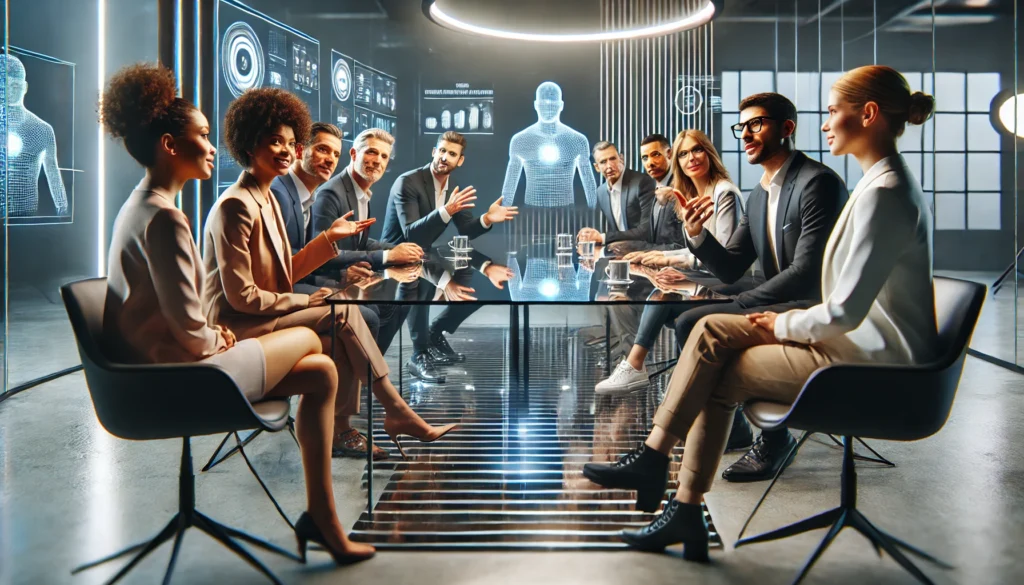
This section opens a window into the inner workings of the digital revolution, presenting candid interviews and insider reflections that illuminate the evolving landscape of creative expression. Through these conversations, readers are invited to explore the personal narratives and technical mastery behind groundbreaking projects, revealing a mosaic of perspectives that enrich our understanding of the future of art.
Pioneers of the AI Art Frontier: Conversations with Leading Innovators and Researchers
In this rapidly evolving digital epoch, a select cadre of visionaries has emerged to redefine the very essence of creativity. These pioneers—innovators and researchers at the forefront of merging artistic sensibilities with technological precision—share stories of risk, discovery, and relentless experimentation. Their journeys illustrate a profound shift, where the tools of computation become partners in an ever-expanding dialogue with the human spirit.
Their insights reveal not only technical mastery but also a deep-seated passion for challenging convention. Through candid conversations, these trailblazers recount moments of serendipity and breakthrough, where raw data and innovative code converge into works that transcend traditional art forms. Their narratives are imbued with a sense of wonder, capturing the excitement of venturing into uncharted territories where every experiment is both a step into the future and a tribute to the timeless quest for beauty.
Each interview offers a window into the meticulous processes, philosophical musings, and personal sacrifices that underpin this creative revolution. As they articulate their visions and the challenges they’ve overcome, these innovators invite us to reconsider what it means to be an artist in the digital age—a realm where imagination and machine intelligence are inextricably intertwined, forging a new path toward an art form that is as innovative as it is inspiring.
Behind the Code: Personal Accounts from Developers Pushing the Limits of AI Artistry
Deep within the labyrinth of code and algorithms lies a world rarely seen by the public—a realm where dedicated developers harness their passion, perseverance, and technical ingenuity to redefine what machines can create. These individuals work quietly in the background, driven by an unyielding desire to push the limits of AI artistry. Their personal accounts are filled with moments of breakthrough and frustration alike, each story a testament to countless late nights, innovative experiments, and the relentless pursuit of a creative frontier that blurs the line between science and art.
For many of these developers, the journey is as much about self-discovery as it is about technological advancement. They describe their early encounters with code as the beginning of an evolving relationship with machines—a relationship that would eventually transform into a collaborative dialogue with digital systems. In intimate discussions, they reveal the emotional highs of seeing a line of code transform into a striking visual composition or an evocative melody, and the lows that come with debugging the stubborn glitches that threaten to derail a project. These experiences, rich in both technical challenge and creative reward, illuminate the human spirit embedded within every algorithm.
Their narratives are punctuated by moments of serendipity, where an unexpected output sparks a new direction or a reimagined concept of art itself. Amid complex systems and intricate data flows, these developers celebrate the beauty of unpredictability, cherishing the interplay between precise computation and the enigmatic spark of creativity. In doing so, they not only advance the technical boundaries of what is possible but also invite us to reconsider the intimate relationship between human innovation and machine potential—a relationship that continues to redefine the very essence of artistic expression.
Collaborative Visionaries: How Artists and Technologists Are Co-Authoring a New Creative Narrative
In the heart of this digital renaissance, a remarkable convergence is unfolding—where the passionate strokes of human artistry intertwine with the precise language of code. Visionaries from both realms are meeting at the crossroads of intuition and innovation, redefining the very essence of creative expression. Their joint endeavors paint a landscape that is as diverse as it is groundbreaking, crafting narratives that blur the lines between traditional art and technological prowess.
These creative partnerships thrive on a shared commitment to exploration and risk-taking. Artists bring forth a deep, emotive understanding of form and nuance, while technologists contribute the analytical frameworks and computational might necessary to push boundaries further than ever before. This dynamic fusion fosters a dialogue where conventional rules are discarded, giving way to experimental processes that yield works rich in both meaning and aesthetic innovation. Here, every project becomes a collaborative canvas, where the unpredictable spark of human insight meets the methodical precision of algorithmic design.
Together, these collaborative visionaries are not merely producing art—they are co-authoring a new creative narrative that reimagines the role of technology in cultural production. Their work challenges the status quo, inviting us to witness an era where art is both a personal expression and a product of collective ingenuity. This symbiotic relationship promises to reshape our perceptions of originality and authorship, heralding a future in which the synthesis of emotion and code gives birth to art that is as revolutionary as it is resonant.
The Future of AI Dreams: Forecasting a Creative Revolution
As the digital horizon expands, a new epoch of creativity emerges—a realm where the ethereal visions of machine-generated art hint at a transformative future. The current landscape, punctuated by audacious experiments and groundbreaking collaborations, lays the foundation for a creative revolution that promises to redefine our cultural tapestry. In this nascent stage, AI is not only reshaping artistic processes but also challenging our fundamental notions of inspiration and expression.
Looking forward, the evolution of algorithmic artistry beckons us to a future where technology and imagination coalesce in unprecedented ways. The interplay between human ingenuity and computational prowess is set to accelerate innovation, fostering an environment in which every digital dream contributes to an ever-evolving narrative of creativity. As we stand on the brink of this revolution, the promise of AI dreams inspires a vision of art that is boundless, transformative, and deeply intertwined with the pulse of the digital age.
Emerging Trends in Digital Creativity: What the Next Wave of AI-Driven Art Might Look Like
A new chapter in the evolution of art is already unfolding—a chapter where digital intuition and algorithmic precision converge to birth a myriad of unforeseen artistic expressions. In this emerging era, the traditional canvas is replaced by dynamic, interactive digital spaces, where art is not static but a living, breathing entity capable of continuous transformation. These innovations hint at a future where AI-driven art transcends conventional boundaries, inviting creators to harness data and code as new pigments on the palette of expression.
As we peer into this not-yet-realized landscape, one can envision interactive installations that respond to audience emotions, virtual galleries that morph in real time, and even art that evolves as it is experienced. The next wave of AI-driven art promises to blur the lines between creator and observer, fostering an immersive dialogue where every interaction influences the artwork’s evolution. In this space, art becomes a communal, participatory experience rather than a solitary creation confined to a frame.
At the same time, the fusion of augmented reality with AI promises to redefine public spaces, transforming urban environments into dynamic exhibitions of light, sound, and digital innovation. This trend hints at a future where art is integrated seamlessly into everyday life—a continuous backdrop of creative expression that evolves with the pulse of the city. In these futuristic vistas, technology and human experience are inextricably linked, forging a new aesthetic that challenges our perceptions of reality and imagination.
In essence, emerging trends in digital creativity invite us to reimagine the art of tomorrow. They promise not just new tools or mediums, but an entirely redefined creative process—one that is collaborative, adaptive, and endlessly innovative. The next wave of AI-driven art stands as a beacon of possibility, urging us to embrace a future where creativity is as boundless and dynamic as the digital frontier itself.
Cultural Shifts and the New Aesthetic: Anticipating How AI Will Redefine Art, Literature, and Media
In an era marked by rapid technological metamorphosis, the infusion of AI into creative realms is catalyzing profound cultural shifts. Traditional art, literature, and media are on the cusp of a renaissance where machine intelligence becomes a pivotal collaborator, reconfiguring established narratives and visual languages. This confluence of human passion with algorithmic precision invites us to reimagine not only the products of creativity but also the processes that give birth to them.
The digital revolution is reshaping aesthetic boundaries. In literature, writers are beginning to experiment with AI-driven narrative generators, yielding stories that dynamically evolve and respond to reader input. Visual art is witnessing a similar transformation, as digital canvases are reinterpreted through the lens of machine learning, producing works that oscillate between calculated design and unexpected improvisation. Media, too, is undergoing a metamorphosis; films and interactive installations now harness data-driven insights to craft immersive experiences that blur the line between audience and creator.
This new aesthetic is characterized by its fluidity and dynamism, where traditional forms are continually deconstructed and reassembled in novel ways. As AI redefines what is possible, the cultural landscape becomes a living tapestry—a vibrant interplay of historical context and futuristic vision. It is a realm where the old and the new coexist, each informing the other, and where creativity itself is re-envisioned as a collective, ever-evolving dialogue between human intuition and digital innovation.
Preparing for a Brave New World: How Creators and Consumers Alike Can Embrace the Evolution of Machine Dreams
In the unfolding vista of digital creativity, both creators and consumers are called to adapt, reimagine, and celebrate a new artistic paradigm. As machine dreams evolve into tangible expressions of art, the onus is on us to engage with this transformation wholeheartedly. Creators are exploring uncharted territories, harnessing innovative tools that fuse data with human intuition, while consumers are increasingly invited to participate in an immersive dialogue with art that is as fluid as it is transformative.
Artists and technologists are converging to build platforms that democratize creativity, allowing even those with minimal technical prowess to experiment with AI-driven expressions. These collaborative spaces are not exclusive enclaves but open forums where the boundaries between artist and audience blur, and where the evolution of machine dreams is a shared journey. The result is a creative ecosystem where innovation thrives through participation, and every stakeholder contributes to the redefinition of art.
For consumers, embracing this brave new world means adopting a mindset that welcomes the unexpected. It is about cultivating an openness to art that emerges from both deliberate design and serendipitous digital alchemy. As audiences become more attuned to the nuanced interplay between human emotion and algorithmic precision, they are not merely observers but active participants in a revolution that reshapes the cultural narrative.
Ultimately, preparing for this future is both a personal and collective endeavor. It is a call to remain curious, to seek out new experiences, and to celebrate the limitless possibilities that arise when creativity and technology intersect. In embracing the evolution of machine dreams, we step into a realm where art is continuously redefined—a realm that promises to enrich our cultural landscape with innovation, diversity, and boundless imagination.
Conclusion: Embracing the Night Machines’ Vision
In the quiet afterglow of a digital revolution, the tapestry of machine-made artistry invites us to reimagine our place in an ever-evolving cultural landscape. Here, as the night machines unfurl their dreams across the canvas of our collective imagination, we are called to reflect on a journey where technology and intuition have danced in tandem. This final chapter is an invitation to embrace the visionary spirit of these nocturnal creators, acknowledging that the future of art is not confined by tradition but is continuously reborn in the interplay of human ingenuity and digital innovation.
Reflecting on the Journey: Summarizing the Insights from AI’s Creative Revolution
As we stand at the crossroads of tradition and innovation, our journey through the realms of machine-made artistry reveals a narrative of evolution and transformation. From the earliest experiments where algorithms merely processed data to the dawn of digital dreams that now captivate audiences worldwide, every chapter has contributed to a profound reimagining of what art can be.
The evolution of AI creativity has redefined the boundaries between human intuition and computational precision. We witnessed a transformation where the once mechanical processes of code began to evoke emotions, challenge conventional aesthetics, and blur the line between creator and tool. Each breakthrough—be it a neural network interpreting raw data into vivid visual canvases or algorithms composing symphonies in the dark—has underscored the limitless potential of merging technology with art.
Throughout this journey, the fusion of structured logic with unpredictable creativity has emerged as a powerful force, one that reconfigures not only the art we consume but also the cultural narratives that underpin it. Collaborative dreamscapes, after-hours innovations, and experimental showcases have all highlighted a vibrant dialogue—a conversation that invites both creators and audiences to explore new paradigms of artistic expression.
In reflecting on these insights, we are reminded that this creative revolution is more than just a technological advancement; it is a cultural metamorphosis. It challenges us to rethink authenticity, originality, and the very essence of creativity itself. This journey calls for an appreciation of art as a dynamic interplay of human passion and digital ingenuity—a testament to the ever-expanding horizon of our collective imagination.
Invitation to the Reader: Encouraging an Open Mind Towards the Unfolding Digital Renaissance
As you reach the close of this exploration into the realm of machine-made art, consider this an invitation—a call to open your mind to a digital renaissance that defies conventional boundaries. In a landscape where algorithms interlace with human intuition to produce forms of art previously unimagined, your perspective becomes an essential part of this unfolding narrative.
Embrace the possibility that creativity is no longer confined to a singular vision but is instead a dynamic interplay of human passion and computational innovation. Let the unexpected symphony of digital dreams inspire you to question established norms and to welcome the vibrant, ever-evolving dialogue between art and technology. Each innovation, each experiment in code, is a stepping stone towards a future where art transcends traditional forms, inviting us all to participate in the creation of something truly revolutionary.
Your curiosity and willingness to engage with this brave new world serve as catalysts for further exploration and understanding. As the digital renaissance continues to shape our cultural landscape, stepping into this domain with an open heart and a receptive mind promises not only to enrich your own experience but also to contribute to a collective journey toward boundless creativity.
Final Thoughts: The Promise and Perils of a Future Where Machines Dream, and We Dare to Follow Their Lead
In the unfolding twilight of a digital revolution, the vision of machines that dream beckons us toward both exhilarating promise and daunting peril. As algorithms evolve from mere data processors into creators capable of painting our world with unprecedented creativity, they invite us to reimagine the very fabric of artistic expression. Yet, this metamorphosis is not without its challenges. The delicate interplay of human intuition and computational ingenuity raises profound questions about authenticity, authorship, and the erosion of traditional creative boundaries. In this brave new world, every digital masterpiece is a testament to our willingness to embrace innovation while confronting the ethical and philosophical quandaries that accompany it.
There is an undeniable allure in following the lead of these digital dreamers, where each experiment in code hints at an expansive future replete with creative possibility. This journey is as much about exploring uncharted territories as it is about questioning the familiar—a call to rethink our role not just as passive consumers, but as active participants in a cultural evolution that is reshaping art, literature, and media.
Ultimately, the promise of machine-made dreams is intertwined with its perils. It challenges us to balance progress with reflection, urging us to navigate the delicate space where technology enriches our creative spirit without overshadowing the human essence that drives it. In daring to follow the lead of the night machines, we step into a future that is both inspiring and uncertain—a future where the symphony of digital innovation harmonizes with the timeless beat of human creativity.