






Introduction
Our planet is a melting pot of diverse cultures, each with its unique culinary practices. The concept of ‘normal’ in the context of diet varies widely across these cultures, leading to an array of dietary habits that may seem bizarre to the unacquainted. This article aims to unravel some of these unusual diets, offering a unique perspective on global food culture and the factors that shape it.
The Concept of Diet: A Brief Overview

A diet, in its simplest form, is the sum of food consumed by an organism or group. It is a complex interplay of various factors, including geography, climate, culture, and personal preference. The geographical location and climate of a region determine the availability of certain food items, thereby influencing the diet of its inhabitants. Personal preference, on the other hand, is shaped by an individual’s upbringing, lifestyle, and health considerations.
The Role of Culture in Shaping Diets
Culture plays a pivotal role in shaping diets. It dictates what is acceptable to eat, how it is prepared, and when it is consumed. These cultural norms and traditions often result in diets that may seem unusual to outsiders. For instance, while insects are a common source of protein in some cultures, they are considered pests in others.
Unusual Diets Around the World: An Overview
From insects to fermented shark, the world’s unusual diets are as fascinating as they are diverse. These diets offer a glimpse into the rich tapestry of global food culture, challenging our perceptions of ‘normal’ and ‘acceptable’ food. Let’s embark on a culinary journey to explore some of these unique food habits.
The Insect Diet of Thailand
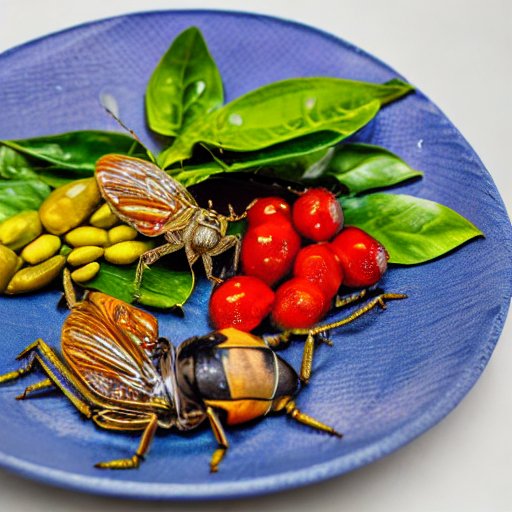
In Thailand, insects are not just pests; they are a source of protein. From crickets to silkworms, these critters are often fried and seasoned, making a crunchy snack. This practice, known as entomophagy, is not just confined to Thailand but is prevalent in many parts of the world. Insects are rich in protein and other nutrients, making them a sustainable alternative to traditional sources of protein.
The Hákarl of Iceland: Fermented Shark
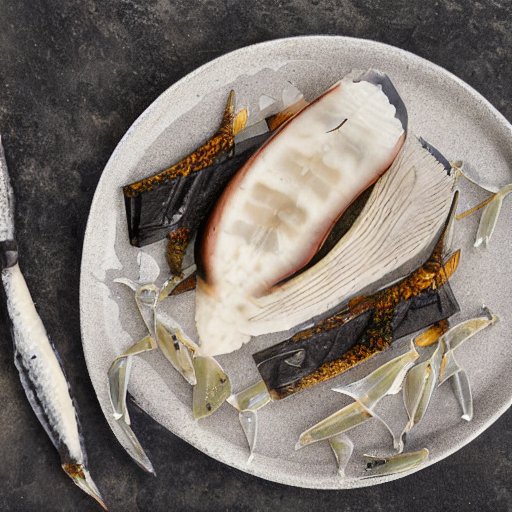
In Iceland, hákarl, or fermented shark, is a traditional dish. The Greenland shark used for this dish is poisonous when fresh due to high levels of urea and trimethylamine oxide. To make it edible, the shark is buried to allow it to ferment, and then hung to dry for several months. Its strong ammonia-rich smell and fishy taste make it an acquired taste. Despite its notoriety, hákarl is a cherished part of Icelandic cuisine, particularly during the Thorrablot midwinter festival.
The Casu Marzu of Sardinia: Cheese with Live Maggots
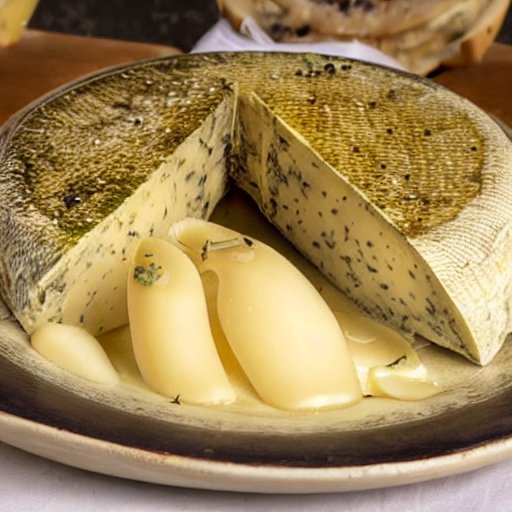
Casu Marzu, a cheese from Sardinia, is left uncovered to allow flies to lay eggs. The larvae that hatch help break down the cheese’s fats, creating a soft texture. However, the cheese is only considered ready when the maggots are still alive, leading to a unique dining experience. Despite health concerns and its illegal status, Casu Marzu remains a part of the black market, reflecting the strong cultural significance of this unusual cheese.
The Century Egg of China: Preserved Eggs
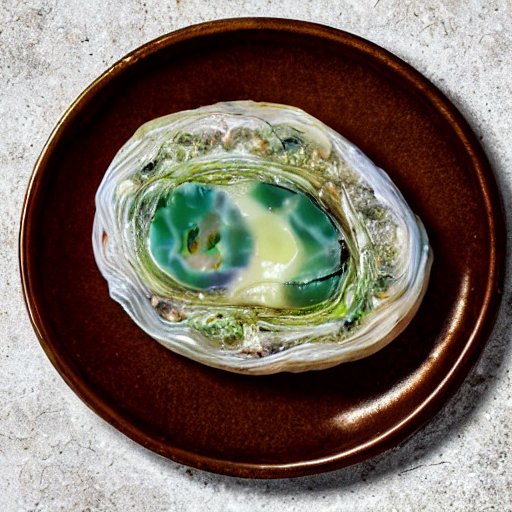
Century eggs, a Chinese delicacy, are preserved in a mixture of clay, ash, and salt for several weeks to months. This process transforms the egg, turning the white into a dark, translucent jelly and the yolk into a creamy, dark green substance. The result is a jelly-like egg with a strong odor and a complex, cheese-like flavor. Despite its appearance and smell, the century egg is a beloved part of Chinese cuisine, often served with pickled ginger or tofu.
The Fuguof Japan: The Deadly Pufferfish
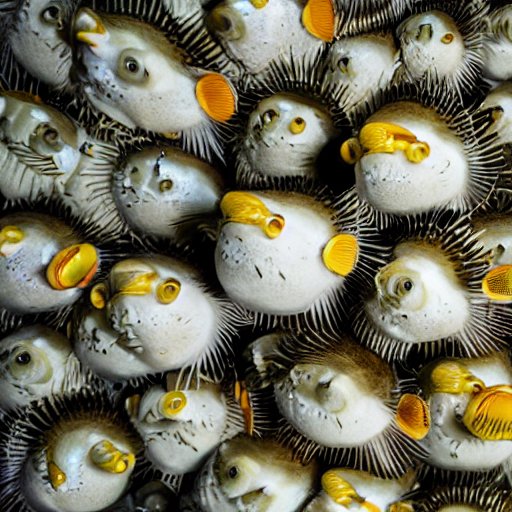
Fugu, or pufferfish, is a Japanese delicacy that carries a deadly risk. The fish contains tetrodotoxin, a potent neurotoxin that can cause paralysis and death if ingested. Despite this, it is a prized dish in Japan, with chefs requiring years of training and a special license to serve it. The thrill of eating something potentially lethal, combined with the fish’s delicate taste, makes fugu a sought-after culinary experience.
The Surströmming of Sweden: Fermented Herring
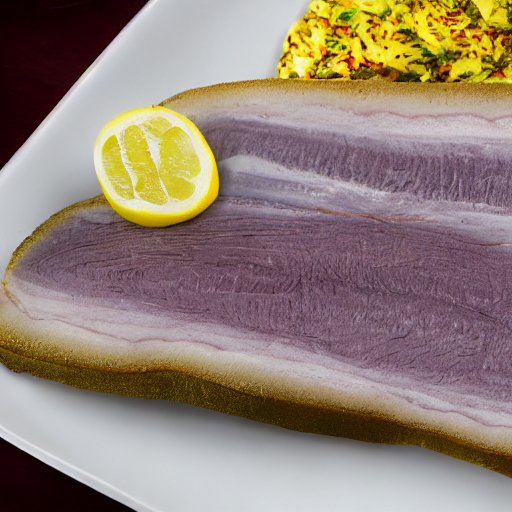
Surströmming, a fermented herring from Sweden, is renowned for its strong smell, often compared to rotten eggs. The fish are fermented in barrels before being canned, where the fermentation continues. The result is a sour, salty dish typically served on flatbread with potatoes and onions. Despite its infamous odor, Surströmming is a cherished tradition in Sweden, particularly during the Surströmming premiere in August.
The Balut of the Philippines: Fertilized Duck Egg

Balut, a fertilized duck egg with a nearly-developed embryo, is a common street food in the Philippines. It’s boiled and eaten in the shell, offering a mix of textures from the soft yolk to the crunchy chick. While the idea of eating a developing embryo may seem off-putting to some, Balut is a popular snack and is believed to be an aphrodisiac.
The Witchetty Grub of Australia: A Staple of Indigenous Australians
The witchetty grub, a large, white larvae, is a staple in the diet of Indigenous Australians. It can be eaten raw, where it reportedly tastes like almonds, or cooked, where its flavor is likened to chicken. The grub is a significant source of protein and was traditionally foraged by women and children.
The Impact of Unusual Diets on Health
While these diets may seem strange, they often provide essential nutrients. Insects, for instance, are rich in protein, vitamins, and minerals. However, some diets, like the fugu, carry potential health risks if not prepared correctly. The consumption of such foods requires a deep understanding of their preparation to avoid potential hazards.
The Psychological Aspect of Consuming Unusual Foods
The consumption of unusual foods often requires overcoming initial disgust, a psychological barrier ingrained in us as a protective mechanism against potentially harmful substances. However, once this barrier is crossed, these foods can become enjoyable and even comforting, as they form part of one’s cultural identity.
The Environmental Implications of Unusual Diets
Unusual diets can have varying environmental impacts. For instance, insect consumption is often touted as a sustainable protein source, as insects require less land, water, and food than traditional livestock. However, overfishing for delicacies can harm ecosystems, highlighting the need for sustainable practices in food production.
The Future of Unusual Diets: A Forecast

As the world becomes more connected, unusual diets are gaining global attention. Whether they become mainstream or remain regional specialties is yet to be seen. However, with the growing interest in sustainable and alternative protein sources, some of these diets may find wider acceptance.
The Role of Media in Promoting or Discouraging Unusual Diets
Media plays a significant role in shaping perceptions of unusual diets. While some are promoted as exotic delicacies, others are portrayed as bizarre or even repulsive. This portrayal can influence public opinion and acceptance of these diets.
The Intersection of Unusual Diets and Tourism
Unusual diets often become tourist attractions, with travelers seeking to experience local culture through food. This can provide economic benefits but also risks commodifying traditional diets and reducing them to mere novelties.
Conclusion
Unraveling the world’s strangest diets offers a window into diverse cultures and food practices. While they may seem bizarre, they highlight the incredible variety of human culinary innovation. These unusual diets challenge our perceptions of ‘normal’ and ‘acceptable’ food, pushing the boundaries of our culinary comfort zone. They remind us that food is not just about sustenance; it is a reflection of our culture, environment, and personal preferences.